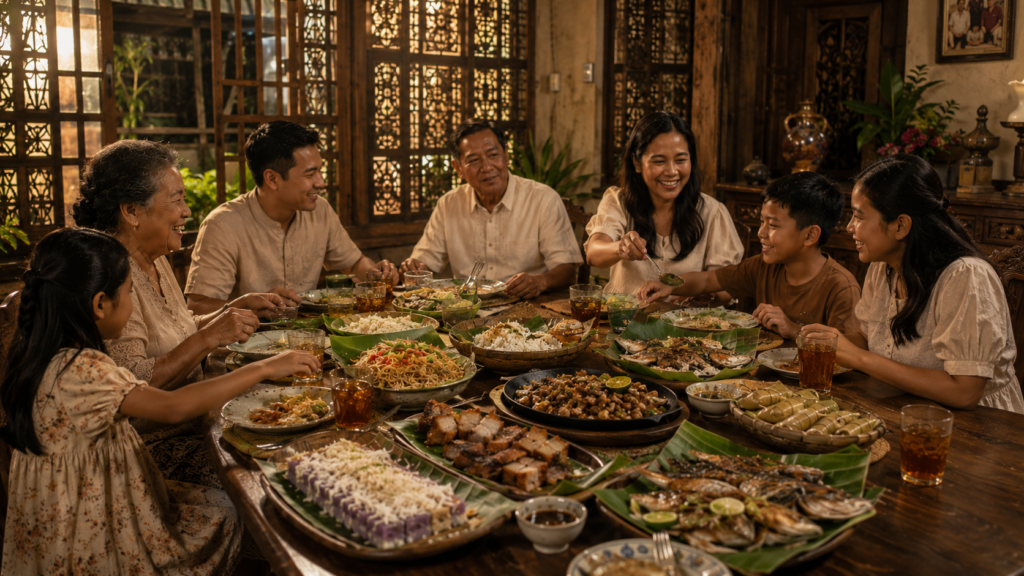
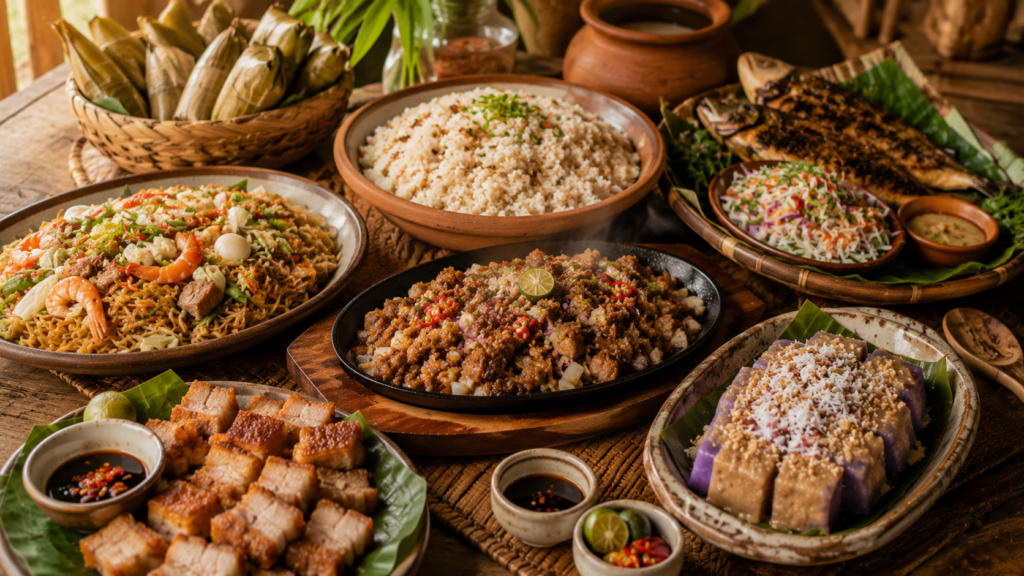
People call Pampanga the culinary capital of the Philippines so often that the phrase almost feels automatic now. A line repeated in travel blogs, documentaries, roadside conversations, and food vlogs.
But somewhere between the sizzling sisig, overflowing fiesta tables, heirloom recipes, and endless debates over where to find the “best” version of a dish, the title stopped sounding like marketing.
It started sounding true.
Because in Pampanga, food is never treated as “just food.”
It becomes pride. Identity. Hospitality. Competition. Memory.
And once a culture starts treating cooking that seriously, something extraordinary begins to happen.
In Pampanga, Food Is Personal
In many places, cooking is practical.
In Pampanga, cooking feels emotional.
Ask a Kapampangan where to eat, and you probably will not get a casual recommendation. You will get stories. Opinions. Childhood memories. Passionate arguments over texture, flavor, authenticity, and whether a recipe still tastes the way a grandmother used to make it.
Because Kapampangans do not simply consume food.
They study it.
People pay attention to details others might overlook:
- The tenderness of the meat
- The balance of sourness and richness
- The smokiness from charcoal cooking
- Whether a dish feels rushed or slow-cooked properly
- Whether the flavor tastes homemade or commercialized
That level of care creates a culture where cooking continuously improves across generations.
And over time, the rest of the country noticed.
Spanish Influence Helped Shape Kapampangan Cuisine
Part of Pampanga’s culinary identity traces back to Spanish colonial influence. During the Spanish era, the province became one of the most prominent regions in Central Luzon because of its fertile agricultural land and strategic location.
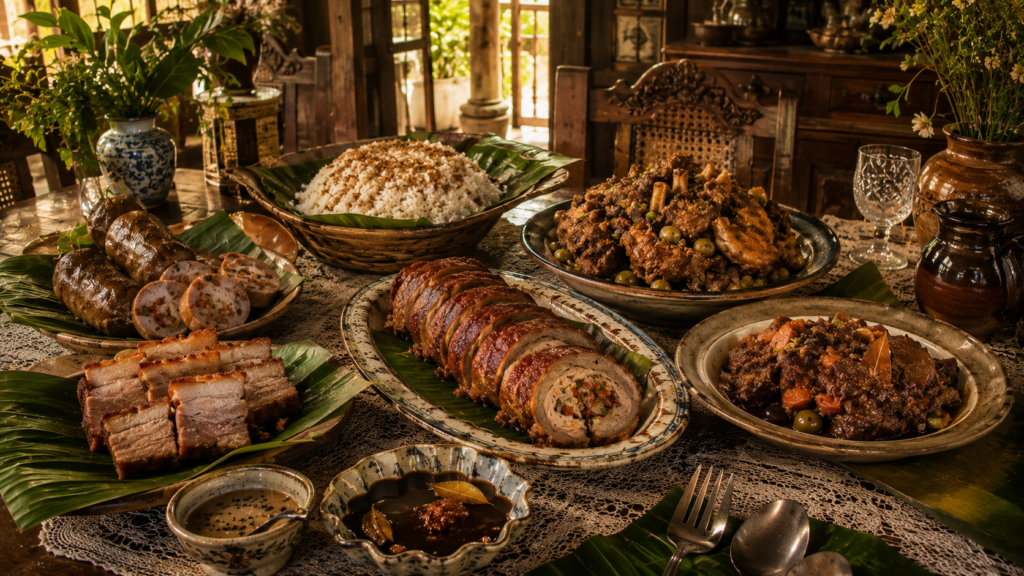
As Spanish cooking techniques blended with local traditions, Kapampangan cuisine evolved into something richer, slower, and more celebratory. Historical and culinary references frequently point to Pampanga’s strong Spanish culinary heritage.
You can still see those influences today in dishes like:
- Morcon
- Bringhe
- Mechado
- Embutido
- Asado
Even the tradition of elaborate fiesta cooking reflects Spanish influence: large communal gatherings, lengthy preparation, and meals designed to feed entire neighborhoods.
But Pampanga never merely copied Spanish cuisine.
Kapampangans adapted it. Localized it. Added their own techniques, ingredients, and identity until the food became unmistakably their own.
Fiestas Turned Cooking Into a Craft
To truly understand Pampanga’s food culture, you have to understand its fiestas.
In many Kapampangan towns, fiestas are not simple celebrations. They are deeply personal events that families prepare for with immense care and pride.
Homes open their doors to relatives, friends, neighbors, visitors, and sometimes even complete strangers.
And naturally, once hospitality becomes tied to reputation, cooking standards rise.
People remember:
- Which household serves the best kare-kare
- Whose bringhe tastes different every year
- Which relleno disappears first from the table
- Which family recipe nobody else can replicate
Recipes become guarded family treasures. Techniques are passed down quietly through observation and repetition.
Over generations, that pressure creates better cooks.
Better cooks create stronger food culture.
And stronger food culture creates legacy.
Sisig Became Pampanga’s Culinary Icon
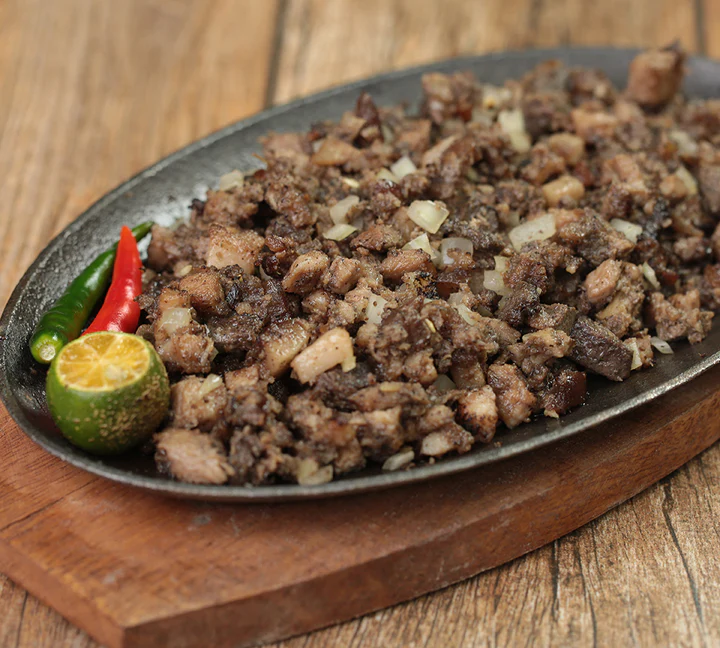
No conversation about Pampanga cuisine is complete without sisig.
Originally associated with Angeles City, sisig evolved from earlier Kapampangan preparations before becoming one of the Philippines’ most recognizable dishes. Culinary historians and local food accounts widely credit Pampanga, particularly Angeles City, for popularizing the sizzling version known today.
But sisig matters for more than its flavor.
It represents the philosophy behind Kapampangan cooking itself:
- Resourcefulness
- Boldness
- Creativity
- Texture-driven cooking
- Turning humble ingredients into unforgettable food
That same mindset appears throughout Kapampangan cuisine.
Nothing is wasted. Everything can become delicious with enough skill, patience, and imagination.
Pampanga’s Agricultural Roots Built the Foundation
Great food culture rarely appears by accident.
It usually begins with access to strong ingredients.
Pampanga benefited from fertile land, thriving agriculture, livestock, freshwater resources, and trade routes that shaped local cuisine long before the province became nationally famous for food.
Rice, vegetables, pork, fish, and local produce became central to daily Kapampangan cooking traditions.
And that matters.
Because cuisine does not grow in isolation. It develops through geography, trade, migration, economy, and community habits working together over time.
Pampanga had all of those ingredients long before social media arrived.
Family Recipes Still Carry Weight
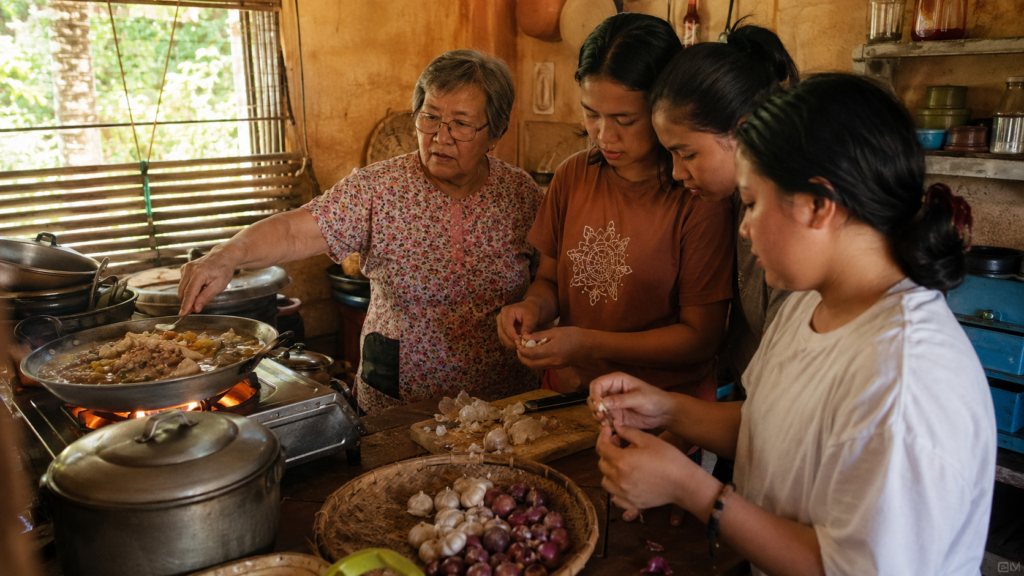
One reason Pampanga’s food culture still feels alive is because recipes are often passed down personally rather than formally.
Cooking is learned through:
- Watching grandparents in the kitchen
- Helping during fiestas
- Repetition and instinct
- Observation rather than measurement
Sometimes instructions are never written down.
Sometimes the only guidance sounds like:
“Basta maramdaman mu.”
Roughly translated: You will know when it feels right.
And somehow, people do learn.
That creates an emotional connection to food that restaurant culture alone cannot replicate.
The recipes survive because families continue living them.
Pampanga Became a Food Destination
At some point, Pampanga stopped being merely a province people passed through.
It became a destination people intentionally traveled to visit.
Food trips became part of the culture.
People started driving for hours specifically for:
- Sisig
- Kakanin
- Halo-halo
- Barbecue
- Heritage restaurants
- Hidden roadside eateries
- Long-standing local specialties
Once food tourism gained momentum, Pampanga’s reputation spread even faster.
Restaurants multiplied. Media coverage expanded. Word of mouth grew louder.
Eventually, the phrase “culinary capital” stopped sounding exaggerated.
Social Media Amplified What Already Existed
Today, Pampanga’s food culture spreads rapidly through:
- TikTok
- YouTube
- Food blogs
- Reels and short-form content
- Local creators and vloggers
But social media did not create Pampanga’s culinary identity.
It simply amplified something that had already existed for generations.
The reputation was already there.
The internet merely placed a spotlight on it.
Final Bite
Pampanga did not become the culinary capital of the Philippines overnight.
And it certainly did not happen because of one famous dish.
It happened because generations of people treated food as something deeply important.
Because recipes were preserved carefully.
Because hospitality became part of identity.
Because cooking carried pride, memory, and family history.
And because somewhere along the way, Kapampangans built a culture where feeding people properly was taken seriously.
That kind of reputation cannot be manufactured quickly.
It has to be earned slowly.
One kitchen.
One fiesta.
One table at a time.