
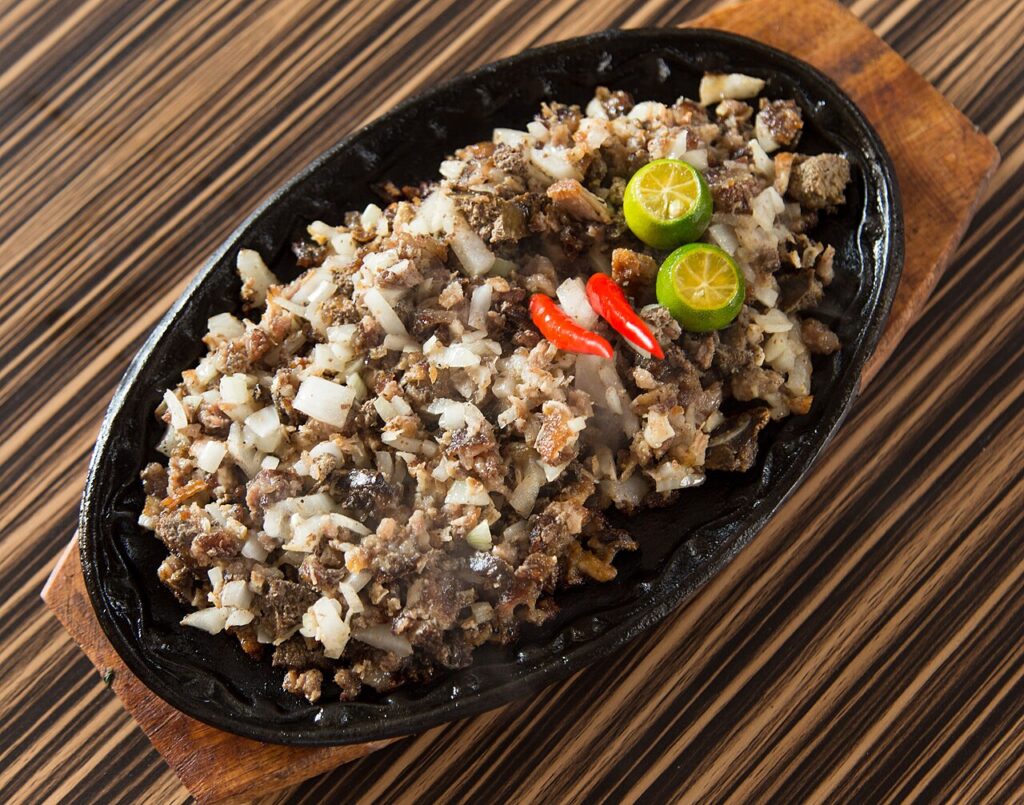
When people hear the word sisig, one image usually comes to mind: a sizzling cast iron plate, chopped pork, onions, chili, and perhaps an egg slowly cooking on top.
Delicious? Absolutely.
But sisig is far more than a restaurant favorite. Long before it became one of the Philippines’ most recognizable dishes, it was already part of Kapampangan history, culture, and everyday life. To understand sisig, you have to go back to where its story truly began: Angeles City, Pampanga.
More Than Just a Sizzling Plate
Today, nearly every Filipino restaurant serves sisig. You’ll find countless variations made with chicken, tuna, bangus, tofu, mushrooms, and even seafood.
Yet these modern versions often overshadow the dish’s cultural roots.
The original sisig was never about theatrics or sizzling plates. It was about resourcefulness, creativity, and transforming simple ingredients into something unforgettable. Like many iconic Filipino dishes, sisig tells the story of a community that knew how to waste nothing while creating flavors that people would remember for generations.
That story belongs to Angeles City.
Why Angeles City Matters
Angeles City has long been recognized as one of the country’s premier culinary destinations. Food is deeply woven into the city’s identity alongside its heritage, arts, and culture. Visitors don’t simply come here to eat. They come to experience the traditions that shaped Kapampangan cuisine.
Walk through the city’s historic district and you’ll discover that food and history exist side by side.
A morning exploring heritage sites can naturally end with lunch at one of Angeles City’s renowned sisig restaurants. The experience becomes more than just another meal. It becomes part of understanding the city itself.
The Heritage Behind Every Bite
One reason sisig continues to stand the test of time is that it reflects the Kapampangan way of cooking.
Kapampangans have long been celebrated for their attention to flavor, technique, and hospitality. Meals are not simply prepared to satisfy hunger. They are meant to bring people together, celebrate milestones, and preserve traditions passed from one generation to the next.
Sisig embodies that philosophy.
Every version tells a slightly different story depending on who prepares it, yet the heart of the dish remains unmistakably Kapampangan.
A Perfect Stop During Your Angeles Visit
If you’re planning a trip to Pampanga, don’t make the mistake of treating sisig as just another item on your food checklist.
Spend time exploring Angeles City’s heritage district. Visit its museums, admire its historic architecture, and learn how the city’s culture shaped one of the Philippines’ most beloved dishes. Then end your day with a plate of authentic sisig from one of the city’s local restaurants.
The experience feels richer when you know the story behind what you’re eating.
Why Sisig Still Defines Pampanga
Food trends come and go.
New restaurants open every month, and social media constantly introduces the next viral dish.
Yet sisig remains one of the strongest symbols of Pampanga because it represents something deeper than popularity. It represents heritage.
Every sizzling plate served today carries decades of Kapampangan history with it. Every bite connects diners to a culinary tradition that continues to evolve without forgetting where it began.
That is why Angeles City continues to own Pampanga’s signature story.
Plan Your Next Food Trip
Whether you’re visiting Pampanga for the first time or rediscovering your hometown, take the time to experience sisig where its story lives.
Explore the heritage streets of Angeles City, learn about the culture behind the cuisine, and enjoy one of the Philippines’ most iconic dishes with a deeper appreciation.
Sometimes, the best meals are the ones that come with a story.