
Binulu, Not Just Bamboo Rice: The Porac Food Heritage Story Worth Revisiting
When people think about Pampanga’s famous food, dishes like sisig, bringhe, tocino, and halo-halo usually steal the spotlight. Yet tucked away in the municipality of Porac is a culinary tradition that deserves just as much recognition.
It’s called Binulu.
Far more than simply “bamboo rice,” Binulu represents generations of indigenous knowledge, traditional cooking techniques, and the enduring culture of the Aeta communities who have called Porac home for centuries.
If you’re planning a food trip around Pampanga, this is one tradition worth discovering.
What Is Binulu?
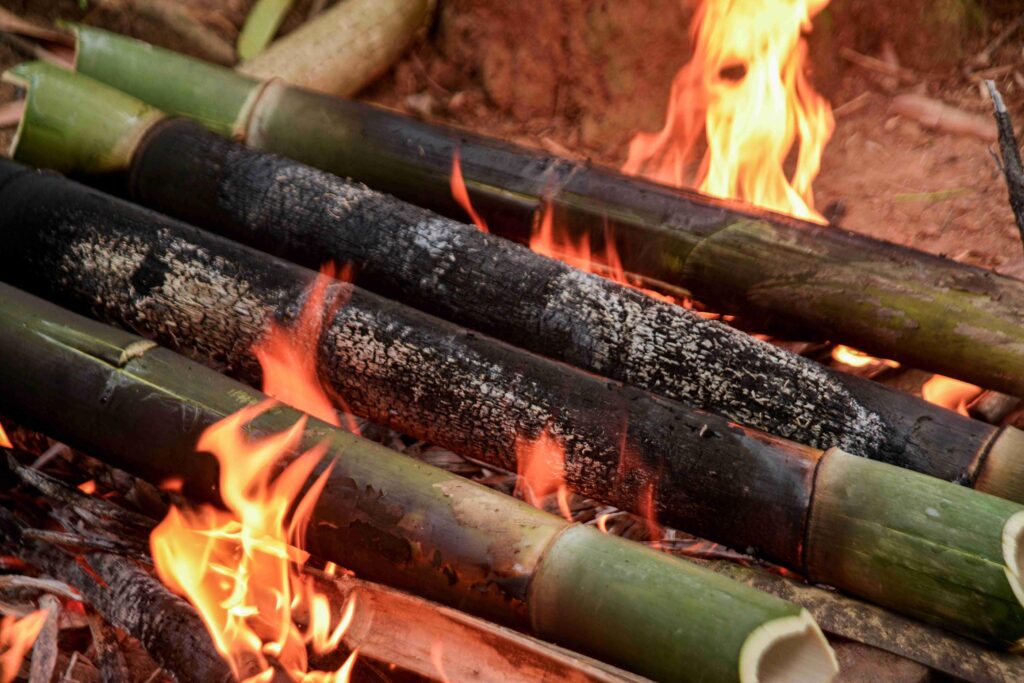
Binulu is a traditional cooking method that uses bamboo (locally called bulu) as the cooking vessel.
Instead of using pots or pans, rice and selected ingredients are placed inside fresh bamboo stalks before being cooked over an open fire. As the bamboo heats up, it naturally seals in moisture while adding a subtle earthy aroma that cannot be replicated with modern cookware.
The result is a meal that’s simple, fragrant, and deeply connected to nature.
A Tradition Rooted in Aeta Culture
Binulu isn’t just about cooking.
It reflects the ingenuity of the indigenous Aeta people who have lived around the forests and mountains of Porac for generations.
Using materials readily available from their surroundings, they developed a cooking technique that required minimal equipment while producing nourishing meals for families and communities.
Today, Binulu remains an important symbol of Aeta heritage and is celebrated as part of Porac’s cultural identity. The Municipality of Porac continues to recognize this tradition through the Binulu Festival, highlighting its importance in preserving indigenous foodways and local history.
More Than Rice Inside Bamboo
Although many people simply describe Binulu as “bamboo rice,” that description barely scratches the surface.
Traditional Binulu may include:
- Rice
- Chicken
- Fish
- Vegetables
- Native herbs
- Locally gathered ingredients
Everything cooks together inside the bamboo, allowing the flavors to blend naturally while the bamboo imparts its own unique aroma.
It’s a reminder that great food doesn’t always require complicated recipes or expensive equipment.
Why Binulu Still Matters Today
Modern kitchens have made cooking faster and more convenient.
Yet Binulu reminds us that food is also about preserving culture.
Every generation that continues this tradition helps keep indigenous knowledge alive. It also offers visitors a chance to appreciate a side of Pampanga that goes beyond restaurants and food parks.
As travelers increasingly look for authentic cultural experiences, traditions like Binulu become even more valuable.
Planning a Trip to Porac?
While the Binulu Festival is usually celebrated later in the year, that doesn’t mean Porac should only be visited during festival season.
A visit to Porac offers the chance to explore:
- Local history
- Indigenous culture
- Scenic landscapes
- Traditional Kapampangan cuisine
- Nearby Clark and Mount Pinatubo attractions
Adding Porac to your Pampanga itinerary gives you a richer understanding of the province beyond its famous city centers.
Preserving a Living Heritage
Food tells stories.
Some stories are written in recipe books.
Others are passed from one generation to the next around a fire.
Binulu belongs to the second kind.
It represents resilience, community, and respect for nature, values that continue to define the people of Porac today. By learning about traditions like Binulu, we help ensure they remain part of Pampanga’s living heritage rather than becoming forgotten pieces of history.
Final Thoughts
If you’ve already explored Pampanga through its sisig, halo-halo, and other famous dishes, consider looking beyond the familiar.
Binulu offers something different.
It’s not flashy.
It isn’t trendy.
But it tells one of the most meaningful food stories in Central Luzon.
The next time you’re planning a Pampanga adventure, make room for Porac. You might discover that the province’s most memorable meal isn’t served on a sizzling plate, but inside a humble piece of bamboo.